Ignoring a Roof Leak in Knoxville? Here's What Six Months Looks Like
The water stain on the ceiling appears after a hard rain. It's not big -- maybe the size of a dinner plate. You put a bucket under it, remind yourself to call someone, and then a week goes by. Then another.
This is one of the most common patterns in residential roofing, and in East Tennessee's climate, it's also one of the most expensive. Knoxville averages more than 50 inches of rain per year, and the region runs through dozens of thunderstorm days annually. A slow leak here doesn't stay slow. Here's an honest look at what typically happens when a roof leak goes unaddressed for six months -- and what the bill looks like at the end.
Week One: The Damage You Can't See Yet
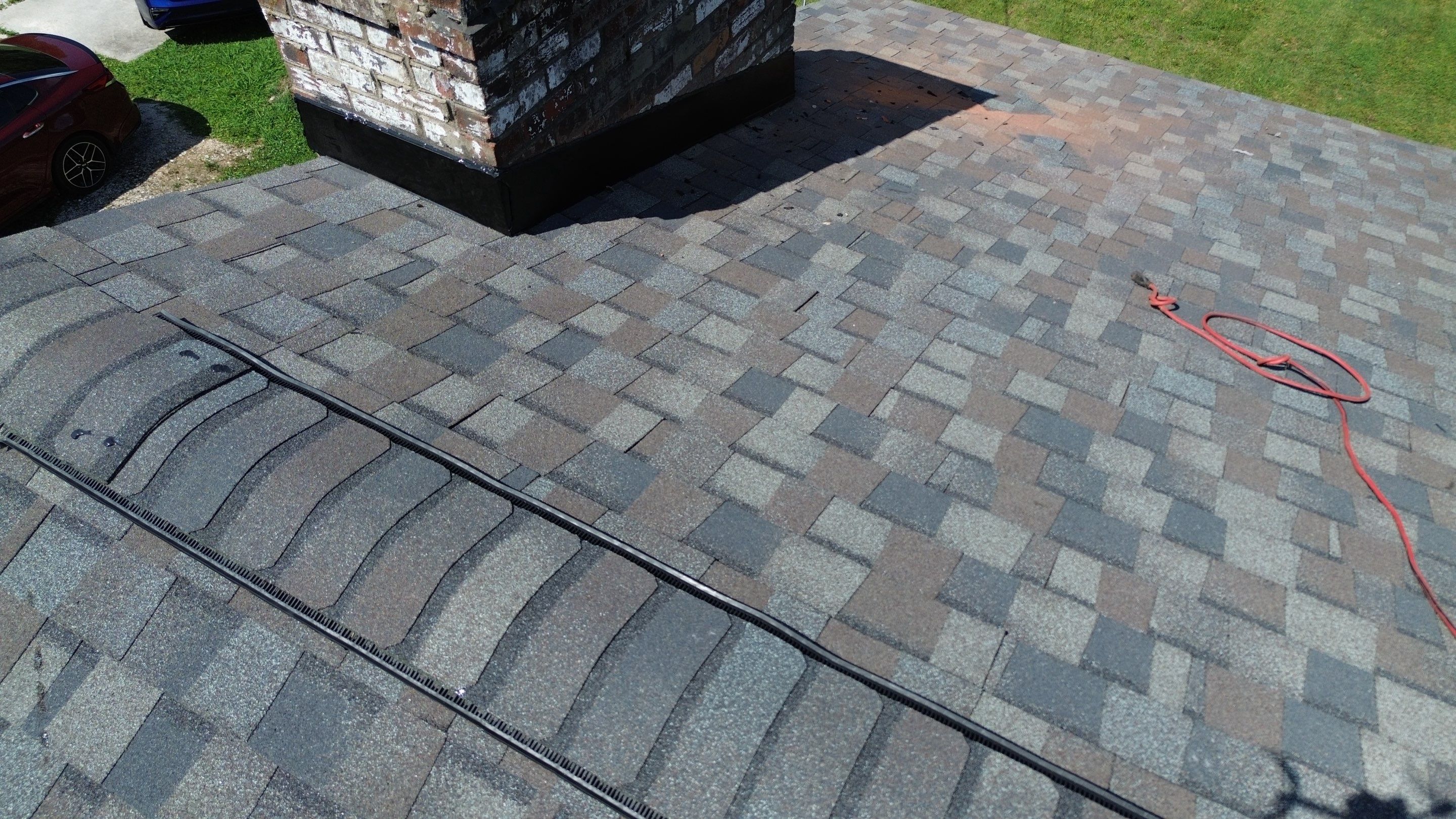
The entry point is usually small -- a failed flashing around a chimney or vent pipe, a cracked shingle, a lifted seam. Water gets in and the first place it goes is the wood decking and any insulation directly below. You won't see this from inside the house.
Within the first week, moisture starts saturating the roof decking and attic insulation. Wet insulation loses most of its R-value immediately, which means your HVAC system starts working harder. The decking -- typically oriented strand board or plywood -- begins absorbing water. Wood rot in decking doesn't announce itself. It just starts.
At this stage, the repair is usually straightforward: find the source, fix the flashing or shingle, maybe replace a board or two. A repair like this from a qualified contractor typically runs $350 to $600.
Weeks Two Through Four: Mold Starts
Mold spores are always present in a home environment. What they need to colonize is moisture and something organic to grow on -- and an attic full of wet wood and insulation is exactly that.
The Centers for Disease Control and Prevention notes that mold can begin growing on wet surfaces within 24 to 48 hours under the right conditions. In East Tennessee, where summer humidity regularly exceeds 70 percent, "the right conditions" are not hard to find. By the end of the first month, a roof leak that started at a single penetration point can have active mold growing in the attic cavity.
You still may not notice anything downstairs. The musty smell -- if you get it at all -- is easy to dismiss as general humidity.
The cost picture is changing already. Attic mold remediation runs $1,000 to $4,000, and that's before any structural repairs. If the mold has spread into insulation, that insulation has to be removed and replaced.
Month Two: The Ceiling Stain Appears
When the ceiling starts showing a water stain, the leak has usually been active long enough that the insulation above it is saturated. The stain you're seeing is the water that made it all the way through. The drywall is already compromised.
By now the affected area has likely expanded beyond the original entry point. Water follows the path of least resistance -- it runs along joists, pools at low points, and can show up feet away from the actual leak source. A stain on the ceiling of your bedroom might trace back to a failing flashing on the opposite slope of the roof.
This is also when electrical concerns become real. Water and wiring don't mix, and roof leaks frequently run alongside electrical conduit or drip near junction boxes and fixtures. If you see a ceiling stain near a light fixture or fan, stop using that fixture until the leak is addressed.
The repair scope has grown considerably. You're now looking at:
- Roof repair: $400 -- $900
- Drywall and ceiling repair: $800 -- $2,500
- Possible attic mold treatment: $1,000 -- $3,000
- Possible insulation replacement: $500 -- $2,000

Months Three Through Six: Structural Damage and Escalating Costs
Six months of active moisture infiltration is enough to do significant structural damage. Roof rafters and joists can lose meaningful load-bearing capacity when wet for this long. In the worst cases, the damage is visible from inside the attic -- soft, dark wood where the framing used to be solid.
At this point the scope of work extends well beyond the original roofing issue. What started as a $500 flashing repair can look like this by month six:
| Item | Estimated Cost |
|---|---|
| Roof repair (flashing, shingles, underlayment) | $400 -- $1,200 |
| Decking replacement (partial, 3-8 sheets) | $600 -- $2,000 |
| Attic mold remediation | $1,500 -- $5,000 |
| Insulation removal and replacement | $800 -- $2,500 |
| Ceiling drywall repair (one to two rooms) | $800 -- $2,500 |
| Interior paint and finishing | $400 -- $1,200 |
| Structural framing repair (if needed) | $1,000 -- $4,000+ |
| Total potential range | $5,500 -- $18,400+ |
These aren't inflated figures. They reflect what a straightforward ignored leak in a Knoxville-area home actually costs when everything is properly repaired -- by the time the damage has had months to spread.
What Knoxville's Climate Adds to This Problem
The rate at which a leak causes damage isn't the same everywhere. In East Tennessee's humid subtropical climate, moisture doesn't dry out between rain events the way it might in an arid region. Wet insulation stays wet. Wet wood stays wet. The period between a roof event and visible interior damage is often shorter here than in drier climates, which means the window for catching a problem early is also shorter.
After any significant storm, it's worth checking your attic directly -- not waiting for a ceiling stain to tell you something happened.
Insurance and Delayed Leaks
Here's where things get complicated. If the roof leak resulted from a storm event, your homeowner's insurance may cover the repair and the resulting damage -- but timing matters. Most policies cover sudden and accidental damage. A leak that was present for six months and simply not addressed is more likely to be categorized as a maintenance issue, which insurers typically exclude.
Documenting storm damage promptly and acting on it quickly is the best way to keep your options open. The Valor Roofing team assists with roof insurance claims throughout Knox County and can help with documentation if a storm event is the source of your issue.
FAQ
How quickly does a roof leak cause damage? Moisture begins saturating decking and insulation within days of a leak starting. Mold can colonize wet wood surfaces within 24 to 48 hours under favorable conditions. Visible ceiling damage typically appears within weeks to months, depending on the severity and frequency of rain.
Does homeowners insurance cover damage from an ignored roof leak? Generally, no. Insurance covers sudden and accidental damage, not ongoing maintenance failures. If a leak has been present and unaddressed for months, the damage may be excluded from coverage.
How much does it cost to fix water damage from a roof leak? A minor, recently discovered leak often costs $350 to $900 to repair at the source. Once water damage has spread to drywall, insulation, and structural framing, total repair costs can reach $5,000 to $18,000 or more depending on the extent.
What are the health risks of a roof leak? Mold growth from an unaddressed leak can cause respiratory irritation, allergic reactions, and -- with certain mold species -- more serious health effects, particularly for children, the elderly, and people with existing respiratory conditions.
Can a roof leak fix itself? No. The most that happens is a temporary reduction in water entry during dry weather. The damage underneath continues to develop.
Act Early -- It's Almost Always Cheaper
The most expensive roof repairs are rarely the ones that were caught quickly. They're the ones that were noticed and delayed. A leak that costs $500 to fix at week one can cost $10,000 to address at month five.
If you've noticed a stain, heard dripping, or have a nagging sense that something is happening upstairs after storms, Valor Roofing offers free roof inspections throughout Knoxville and surrounding East Tennessee communities. A quick look now is a lot less painful than the alternative. Call (865) 468-8726 to schedule.
Free, photo-documented inspection and a firm written price. No pressure, no in-home sales pitch.